
Understanding Standard Profit Margins for Restaurants: Tips to Enhance Operational Efficiency and Boost Sales
Stay informed with industry news, tips, and practical guides for hospitality professionals.
In the competitive world of the restaurant industry, achieving and maintaining healthy profit margins is key to long-term success. Understanding standard profit margins and adopting strategies to improve operational efficiency and sales can be the difference between a thriving restaurant and one that struggles to break even. With the right approach, even a small improvement in key areas can have a significant impact on profitability.
In this blog, we’ll provide an overview of the typical profit margins in the restaurant industry and offer practical tips for improving both operational efficiency and sales.
What Are Standard Profit Margins for Restaurants?
Profit margins in the restaurant industry can fluctuate depending on a variety of factors, such as restaurant type, location, and management practices. However, there are standard industry benchmarks that can help owners and operators gauge their financial performance. Here’s a closer look at the key profit margins to monitor:
1. Food Cost Margin
Food cost margin is the percentage of total revenue spent on purchasing ingredients and preparing dishes. For most restaurants, the target food cost margin typically ranges between 25% and 35% of total sales. However, this figure can vary depending on factors such as cuisine type and ingredient quality. For example, fine-dining establishments may experience food costs closer to 40%, while fast-casual or quick-service restaurants aim for a lower figure, often around 25%.
2. Labour Costs
Labour costs, which include wages, benefits, and payroll taxes for all staff, are a significant expense for any restaurant. On average, labour costs should account for 25% to 35% of total sales. This margin can fluctuate based on the size of the restaurant, the level of service offered, and its location. For instance, fine-dining restaurants with a high level of personalised service tend to have higher labour costs, whereas quick-service or fast-casual eateries usually maintain lower labour expenses.
3. Net Profit Margin
The net profit margin is the percentage of revenue that remains after all expenses—including food, labour, rent, utilities, and other overheads—are deducted. For most restaurants, the net profit margin typically falls between 3% and 5%. However, well-managed establishments with a solid operational model can achieve net profit margins of 10% or higher, demonstrating their efficiency in controlling costs and maximising revenue.
Understanding and maintaining these standard profit margins can help restaurant owners stay on track financially, identify areas for improvement, and ultimately drive long-term success.
Tips to Improve Operational Efficiency and Boost Sales
Achieving profitability in the restaurant industry is not just about cutting costs; it’s also about improving efficiency and driving sales. Below are several strategies to enhance operational efficiency, reduce costs, and increase sales.
1. Optimise Your Menu
The menu is one of the most important elements in driving both food costs and sales. To optimise your menu:
- Menu Engineering: Review the profitability of each item on your menu. Highlight high-margin items and remove or tweak low-margin dishes. You can also consider adding more premium options to increase your average ticket price.
- Portion Control: Ensure that portion sizes are consistent and adhere to standard recipes. Over-portioning can lead to waste, which directly impacts food costs.
- Upselling and Cross-Selling: Train your staff to upsell items such as drinks, sides, and premium options. Encouraging customers to add an extra course or upgrade to a higher-quality drink can significantly increase the average spend per customer.
2. Improve Staff Efficiency and Scheduling
Labour costs are one of the largest expenses for restaurants, so it’s important to manage them carefully. To improve staffing efficiency:
- Optimise Scheduling: Use scheduling software or tools to ensure that you have the right number of staff at the right times. Avoid overstaffing during slow periods, and ensure you have enough employees during peak hours.
- Cross-Train Staff: Cross-training your team allows them to work in multiple roles, improving flexibility and efficiency. This can help reduce downtime and ensure that you can always meet customer demand.
- Monitor Performance: Track employee performance and productivity, particularly during busy periods. Identify areas where improvements can be made to enhance service and reduce wait times.
3. Reduce Food Waste
Food waste is one of the most significant contributors to high food costs. To combat this, consider:
- Inventory Management: Keep track of inventory carefully to avoid over-ordering ingredients that could go to waste. Implement inventory software that can help you monitor stock levels and minimise spoilage.
- Utilise Leftovers: Repurpose unused ingredients in new dishes, specials, or menu items. This reduces waste and helps maximise the use of every ingredient you purchase.
- Waste Tracking: Track the waste generated by your kitchen and front-of-house staff. By identifying areas of waste, you can take steps to minimise it and reduce unnecessary costs.
4. Leverage Technology
Technology can play a key role in streamlining operations, reducing costs, and improving the customer experience. Here are some ways to incorporate technology into your restaurant’s operations:
- Point of Sale (POS) Systems: A reliable POS system helps you track sales, manage inventory, and improve order accuracy. With the right system, you can get insights into your sales trends, helping you make data-driven decisions.
- Online Ordering and Delivery: If you haven’t already, consider setting up an online ordering platform or partnering with a delivery service. This opens up additional revenue streams and caters to customers who prefer to dine at home.
- Digital Marketing: Use social media, email marketing, and other digital platforms to engage with customers, promote special offers, and increase brand awareness. Social media campaigns can drive foot traffic and online orders, boosting sales.
5. Focus on Customer Experience
A loyal customer base is crucial for sustained profitability. To enhance customer experience:
- Train Your Staff: Provide ongoing training to ensure your staff offers excellent service. Customers who have a positive dining experience are more likely to return and recommend your restaurant to others.
- Customer Feedback: Actively seek feedback from your customers, both online and in person. By understanding their preferences and pain points, you can tailor your offerings and improve the overall dining experience.
- Create Loyalty Programs: Encourage repeat business with a loyalty programme that rewards customers for their visits. Offer discounts, free items, or exclusive access to special events to keep customers coming back.
6. Control Overhead Costs
Overhead costs, such as rent, utilities, and marketing, can quickly eat into your profits. To manage overheads:
- Negotiate Lease Terms: If your rent is a significant expense, consider negotiating with your landlord for better terms or seeking more affordable space if possible.
- Monitor Utility Usage: Keep an eye on energy and water consumption to reduce utility costs. Simple steps, such as switching to energy-efficient lighting and equipment, can help lower your monthly bills.
- Be Strategic with Marketing Spend: While marketing is important, be strategic about where and how you spend. Focus on low-cost, high-impact channels like social media and email marketing, rather than expensive traditional advertising.
Conclusion
Understanding profit margins and implementing strategies to improve operational efficiency and sales is essential for any restaurant aiming to succeed in a competitive market. By optimising your menu, reducing waste, improving staff efficiency, leveraging technology, and focusing on customer experience, you can increase profitability and build a solid foundation for long-term success. With careful management and a commitment to continual improvement, your restaurant can thrive, even in the face of industry challenges.
By focusing on both the financial and operational aspects of your restaurant, you can achieve healthier profit margins and create a sustainable business model.
Ready to simplify hospitality ops?
We’ve got you.
Speak with an Opsyte expert to see how we help:
- Save hours on staff scheduling and rota planning
- Automate invoice processing and financial insights
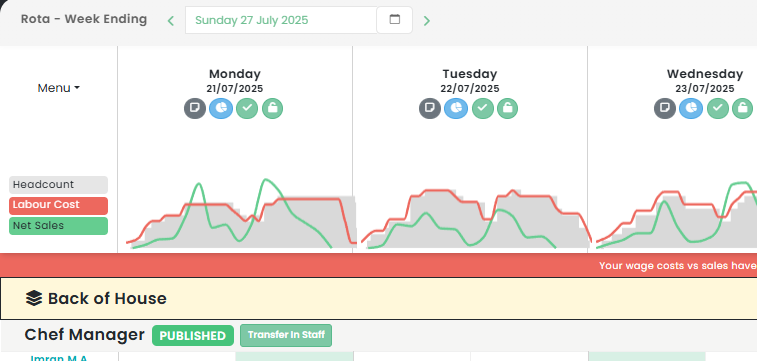
- Track live labour costs vs sales in real-time
- Get fast answers and support from real humans
- Automate your P&Ls
“Opsyte transformed our entire back office. Game changer.”
Read articles from our hospitality experts
-
Revolutionising Nightlife: Innovative Pub Night Ideas for a Memorable Hospitality Experience
Unveiling Innovative Pub Night Ideas for the UK Hospitality SceneThe UK hospitality sector, particularly the pub industry, is a vibrant and dynamic scene where competition is rife. To stand out,…...
-
Innovative Pub Events Ideas: Event Planning and Bar Activities to Boost Nightlife Entertainment in the Hospitality Industry
Unleashing Creativity: Innovative Pub Events Ideas in the UK Hospitality IndustryIn the dynamic UK hospitality industry, the implementation of creative and engaging pub events ideas is pivotal to stay ahead…...
-
Understanding the Average Profit Margin: Key to Running a Successful Restaurant Business and Boosting Revenue in the Food Industry
Average Profit Margin of a Restaurant: Maximising Success in the UK Hospitality IndustryThe restaurant industry is a cornerstone of the UK hospitality sector. Understanding restaurant finances is crucial for running…...
-
Optimising Hospitality: A Comprehensive Guide to App Development and Technology Trends in the Hotel Industry
Hospitality App Development: A Game Changer for the UK Hospitality IndustryAs digitalisation continues to penetrate every sector, the UK hospitality industry is not left behind. Hospitality App Development has become…...
-
Mastering Restaurant Scheduling: A Comprehensive Guide to Boosting Productivity and Efficiency in Restaurant Operations through Effective Staff Management and Shift Planning
Mastering Restaurant Scheduling: A Key to Optimising Restaurant OperationsWith a burgeoning hospitality sector in the UK, the competition among restaurants has become fierce. In this landscape, achieving high efficiency in…...
-
Leveraging Digital Marketing for Pubs: Strategies to Enhance Visibility, Attract Customers, and Boost Success in the Hospitality Industry
Mastering Pub Marketing in the UK Hospitality IndustryIn the thriving UK hospitality industry, effective pub marketing is a pivotal aspect that can significantly determine success. From local SEO for pubs…...