
Minimum Wage in 2024: What the New Legislation Means for the Hospitality Industry
Every year on the 1st of April, the government changes the rate of National Minimum Wage.
From April 2024, the minimum for people aged 21 and over will be increased to £11.44, whereas right now, people aged 21 to 22 are entitled to at least £10.18 and £10.42 for those aged 23 and over (gov.uk).
It is estimated that nearly 3 million workers will receive this increase from April 2024 (theguardian.com), which is the largest ever increase to the National Minimum Wage to date.
With regards to the hospitality industry, employers will need to accommodate for the new legislation and consider how such a change will affect their business.
This blog post will discuss what employers can expect for their business as a result of the new minimum wage and the ways they can minimise the impact on the direction of operations.
How To Accommodate the Rise in National Minimum Wage
Adequate finance management software
Efficient management software is integral to the direction of any hospitality business and should help you to manage your finances easily and accurately.
With Opsyte, we remind you every year of the upcoming change in minimum wage within your payroll file and ensure that everyone’s wages are in line with the government’s legislation during that pay period before anything is finalised.
In addition to this, you will also be notified if your forecast wage costs exceed your weekly budget, therefore you can adjust your rota to make sure that you aren’t losing money by having too many people working at one time.
Sourcing locally
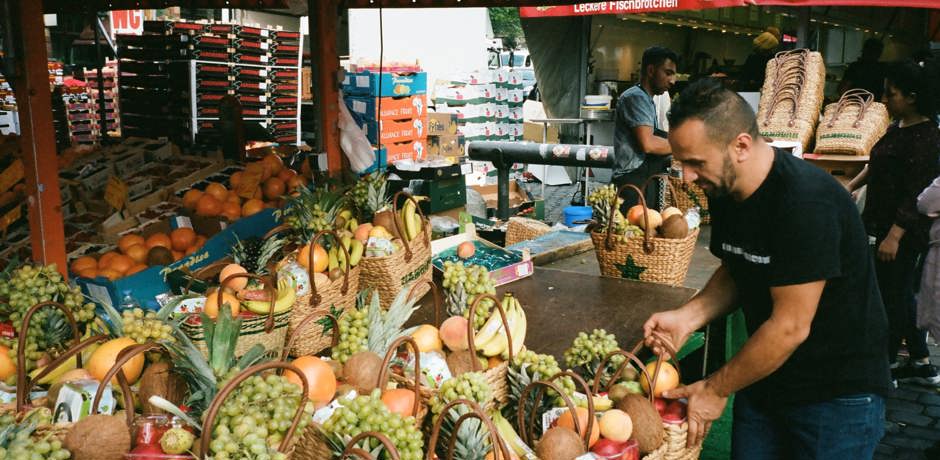
By sourcing supplies locally, businesses can lower transport costs and help to reduce congestion within global supply chains.
Efforts to maintain sustainable business operations are also beneficial to improving customer relations as the BDO reports that ‘81% of UK customers believe that sustainability is important’ (bdo.co.uk).
Hospitality businesses that have made efforts to become more sustainable have seen positive results from making such adjustments, for example, Social Pantry are dedicated to sourcing local produce as well ensuring that they buy 'Fairtrade, slavery-free, and high welfare.' (opsyte.com) Their work towards maintaining sustainable business practices has given them the title of Top Sustainable Caterer for Greener Events by Hirespace and they continue to expand their business by partnering with large venues such as The Foundling Museum in November 2023.
Overall, by making the decision to source locally, businesses are not only becoming more sustainable but are growing and being embraced by wider customer bases.
Assess where technology can reduce costs
Advances in technology within the hospitality industry can help to reduce businesses costs.
Consider launching an app for customer orders and payment processing. By implementing an app, you can gain back the time previously lost to staff processing orders and payments, thus streamlining business operations, and giving you the power to direct your workforce to other areas of your business.
Another benefit of an app is its ability to track customer spending trends and habits in real time, giving you vital data needed to navigate your way through this uncertain time within the industry.
Reducing energy usage
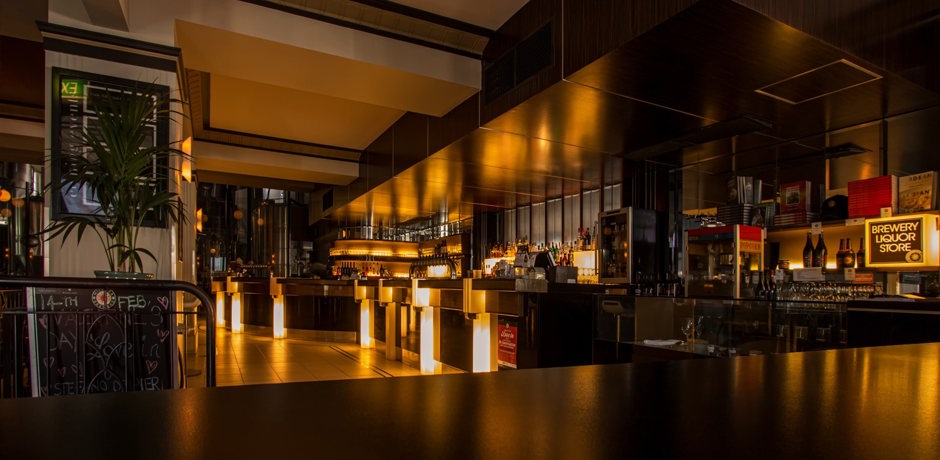
With the festive period here, creating a warm and cosy atmosphere can not only help you to improve your customers’ experience but help to save you money as well.
Opt for dimmer lighting and candles throughout your venue to immerse your customers in the festive atmosphere whilst reducing your energy usage.
Conclusion
Although the upcoming increase to minimum wage poses a daunting task for hospitality employers, it is important to consider the overall positive impact that this change will bring to the industry as a whole.
Maintaining teams of staff is beneficial to the growth of hospitality businesses as employees can develop their skills and contribute an experienced workforce. With a confident, well-trained team of staff it is easier for businesses to reach their goals and see themselves rise to the top.
Rotas, HR, payroll, cash-up, invoices and AI-driven P&Ls — one connected hospitality platform.
Run your venues on Opsyte
Rotas, HR, payroll, cash-up, invoices and AI-driven P&Ls — one connected platform built for hospitality. See it live in 30 minutes.
Ready to simplify hospitality ops?
We’ve got you.
Speak with an Opsyte expert to see how we help:
- Save hours on staff scheduling and rota planning
- Automate invoice processing and financial insights
- Track live labour costs vs sales in real-time
- Get fast answers and support from real humans
- Automate your P&Ls
“Opsyte transformed our entire back office. Game changer.”
Read articles from our hospitality experts
-
Revolutionising the Hospitality Industry: The Power of Catering and Event Management Software
Maximise Efficiency with Catering Software: Revolutionising the UK Hospitality IndustryWith the rise of digital technology, the hospitality industry in the United Kingdom is undergoing a radical transformation. At the heart…...
-
Revamping Your Space: Innovative Bar Design Ideas to Boost Your Business
Bar Design Ideas for Business: A Comprehensive GuideThe hospitality industry is constantly evolving, with businesses striving to stand out in a competitive market. An integral part of this is innovative…...
-
Leveraging HR Catering for Exceptional Corporate and Event Services in the Hospitality Industry: A Comprehensive Guide to Professional Catering Solutions and Management
Unlocking the Potential of HR Catering in the UK Hospitality IndustryIn the dynamic landscape of the UK hospitality industry, the concept of HR Catering has emerged as a game-changer. It's…...
-
Leveraging Hospitality Rostering Software: A Comprehensive Guide to Streamlining Hotel Scheduling and Staff Management
Hospitality Rostering Software: A Game Changer for the UK Hospitality IndustryThe UK's hospitality industry is a dynamic and fast-paced sector, where effective management of staff resources is paramount. With the…...
-
Unleashing Potential: The Role of Restaurant Analytics in Shaping the Future of the Hospitality Industry
Transforming the Hospitality Industry: The Power of Restaurant AnalyticsAs we navigate the ever-evolving landscape of the hospitality industry, one particular area stands out - the growth of data-driven restaurants. The…...
-
Maximising Restaurant Efficiency: Harnessing the Power of Cloud-Based Scheduling Software and Rota Management in the Hospitality Industry
Revolutionising the Restaurant Industry: The Rise of Scheduling SoftwareIn the fast-paced and dynamic world of the UK hospitality industry, efficiency is paramount. In particular, restaurant management is a multifaceted task…...